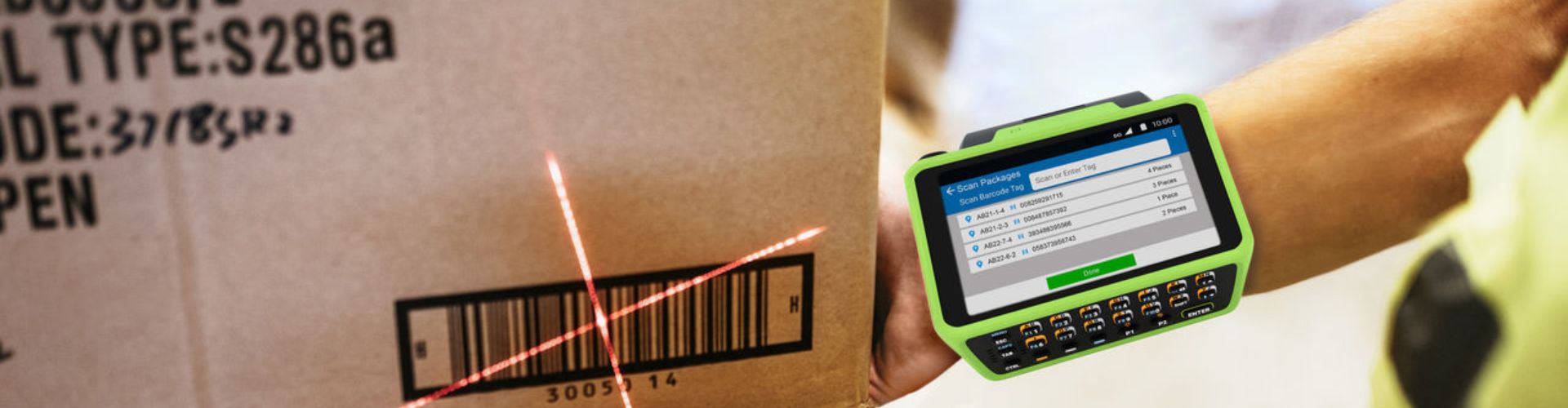
What Makes Zebra Rugged Handheld Scanners Different from Consumer Devices?
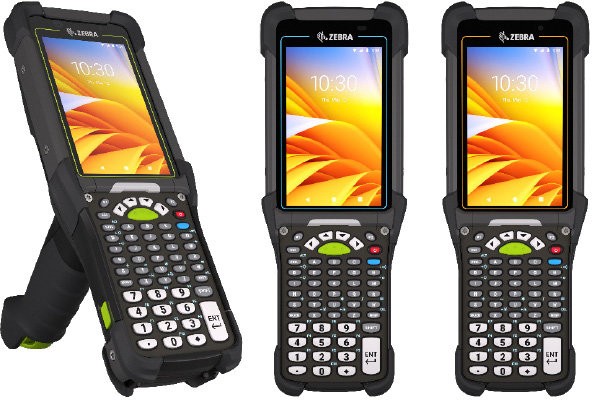
What Makes Zebra Rugged Handheld Scanners Different from Consumer Devices?
Imagine a busy warehouse floor during the holiday rush. A worker reaches for a box on a high shelf, and his smartphone slips. It hits the concrete with a sickening crack. The screen is now a spiderweb of broken glass. But the real disaster isn’t the hardware; it is the two hours of lost data and the stopped shipping line. Does your current device handle a four-foot drop, or does it become a paperweight?
Choosing the right tool determines if your team wins or wobbles. Many businesses try to save money by giving employees consumer smartphones. It seems like a shortcut to savings. However, a Zebra rugged handheld scanner offers a level of toughness that consumer phones simply cannot match. We see this mismatch often when we help companies transition from stationary desks to a truly mobile workforce.
But what if the device survives the fall but still fails the task?
Why Is Toughness More Than Just a Case?
Consumer phones are built for pockets and purses. They look sleek, but they are fragile. A rugged device is built from the inside out to survive vibration, dust, and rain. You can drop a Zebra device on concrete repeatedly. It keeps working. This is about more than just a thick plastic shell. It is about industrial-grade engineering that protects the “brains” of the machine.
Most smartphones fail after a few drops because their internal parts shift. Zebra builds units that meet military standards for toughness. When you run a bakery or a metal shop, flour dust or metal shavings kill a normal phone in weeks. A rugged device stays sealed. It handles the grime of a real work day without breaking a sweat.
Can Your Camera Really Scan 1,000 Barcodes?
People think a phone camera is just as good as a scanner. It isn’t. Try scanning a torn or dirty label in a dark corner of a warehouse with a smartphone. It takes forever to focus. The worker gets frustrated. A Zebra rugged handheld scanner uses a dedicated “engine” with a laser or high-speed imager. It captures data instantly, even from across the room.
Speed is the name of the game in logistics. If your worker saves three seconds per scan, and they scan a thousand items, you just saved nearly an hour of labor. Consumer phones also struggle with “aiming.” Rugged devices have a physical trigger. It feels natural. Your team can scan items all day without getting a cramped hand or a headache from a blurry screen.
What Happens When the Battery Hits Zero?
We have all been there. Your phone dies by 3:00 PM. In a retail or healthcare setting, that is a crisis. Consumer phones have sealed batteries. When they die, the device is tethered to a wall for two hours. A rugged Zebra handheld mobile company solution uses “hot-swap” batteries. You pull the dead one out, pop a fresh one in, and the device never even turns off.
This keeps your team moving through double shifts. You don’t need to buy extra devices just to sit on chargers. One device stays in the field for 24 hours if needed. We focus on these outcomes because downtime is the silent killer of profits. If your tech is charging, your workers are standing still. That is a cost you can’t afford to ignore.
But wait until you see what happens to your security patches after year two.
Is Your Data Safe from Tomorrow’s Threats?
Consumer phones are updated for a year or two, then they are forgotten. For a business, this is a giant security hole. Zebra offers “LifeGuard for Android.” This provides security updates for up to ten years. You don’t have to worry about a hacker entering your ERP through an old handheld. We help you stay secure long after a consumer phone would be in a landfill.
We look at mobility as more than just gadgets. We call it the 5th Wave. This is the evolution of IT. First, we had big computers, then PCs, then laptops, and then the cloud. We at 5th Wave bring all that power into the palm of your hand. It makes your existing ERP or warehouse software much more powerful. It connects your “boots on the ground” to your “brains in the office.”
Does the Total Cost of Ownership Make Sense?
A smartphone is cheaper today, but it costs more tomorrow. Think about the “churn.” If you replace 30% of your consumer phones every year due to breakage, you are overspending. A rugged device lasts five to seven years. When you do the math, the professional tool is actually the bargain. It is about precision and reliability over the long haul.
We specialize in integrating these systems so they talk to your software perfectly. We don’t just ship boxes; we build solutions. Our goal is to make your data flow like water. Whether you are in aviation or a dairy, you need tools that match your environment. Don’t send a toy to do a professional’s job. It only leads to frustration and lost revenue.
How Do You Start the Transition?
Moving to a mobile workforce doesn’t have to be a headache. We start by looking at your current bottlenecks. Are your workers walking back to a desk to print labels? Are they writing inventory on clipboards? A Zebra rugged handheld scanner turns those manual steps into digital wins. It creates a real-time map of your entire business.
Reliability creates a relationship of trust between you and your team. They know their tools won’t fail them. You know your data is accurate. It is a simple shift that yields massive results. When your hardware is as tough as your workers, everything runs smoother. We are here to ensure that transition is seamless and your systems are future-proof.
Common Questions About Rugged Tech
- Why is a dedicated scanner better than a phone camera?
Dedicated scanners use hardware imagers to read barcodes instantly. They work in low light and read damaged labels that a standard smartphone camera simply cannot process quickly.
- Can these devices handle extreme temperatures?
Yes. Unlike smartphones that overheat or freeze, Zebra devices are rated for cold storage and high-heat manufacturing environments, ensuring they operate anywhere your workers go.
- What is the “hot-swap” battery feature?
It allows workers to change a dead battery for a charged one without shutting down the device or losing data. This ensures zero downtime during long shifts.
- How long do these devices usually last?
While a consumer phone lasts 2 years, a rugged device typically serves a business for 5 to 7 years. This includes long-term support for security updates and parts.
- Is the software hard to learn for my staff?
No. Most of these devices run on Android, so the interface feels just like a personal phone. This makes training fast and easy for any skill level.