Can Zebra Mobile Solutions Reduce Last-Mile Delivery Delays?
Can Zebra Mobile Solutions Reduce Last-Mile Delivery Delays?
This blog explains how Zebra mobile solutions improve last-mile delivery by combining GPS tracking, route optimization, and real-time driver communication. It shows how dispatch integration reduces missed delivery windows and strengthens SLA compliance. Readers learn how mobile workforce systems create faster decisions, better visibility, and reliable delivery outcomes across complex logistics networks.
Last-mile delays are not just an operational headache; they quietly drain margins and frustrate customers waiting for updates. Zebra mobile solutions step into this gap with real-time intelligence, helping you connect drivers, dispatch, and delivery data in one flow. This is where delays shrink, and delivery confidence starts to grow across complex routes and tight windows.
Why do last-mile delays still happen even with modern logistics systems?
Last-mile delays often come from disconnected systems. Dispatch tools, driver apps, and warehouse updates rarely speak the same language. You end up guessing the vehicle location instead of knowing it. Small delays stack up, turning a 10-minute issue into a missed delivery window and poor customer experience across high-volume routes without real-time visibility gaps persisting everywhere.
How GPS tracking changes delivery certainty on the ground
GPS tracking turns uncertainty into live movement. Instead of asking where the driver is, you see it instantly on a map. This helps you reroute before delays spread. It also reduces unnecessary calls between dispatch and drivers, freeing time for actual deliveries and improving control across dense urban routes with tighter SLA adherence guaranteed flow.
Route optimization that actually learns your delivery patterns
Route optimization is not just shortest path math. It learns traffic patterns, delivery density, and service windows. Over time, it builds smarter routes that reduce fuel burn and idle time. For enterprises, this means fewer missed stops and better predictability across multi-drop logistics operations handling complex schedules daily driving consistent SLA outcomes in real conditions.
Driver communication tools that remove guesswork
Driver communication breaks down when updates lag. Modern tools inside mobile devices push alerts instantly. Drivers get route changes, delivery notes, and priority stops without confusion. Dispatch teams also receive acknowledgments in real time. This two-way flow reduces miscommunication and keeps every delivery aligned with planned schedules across operations ensuring predictable field execution is always stable.
Where Zebra mobile solutions fit inside your dispatch ecosystem
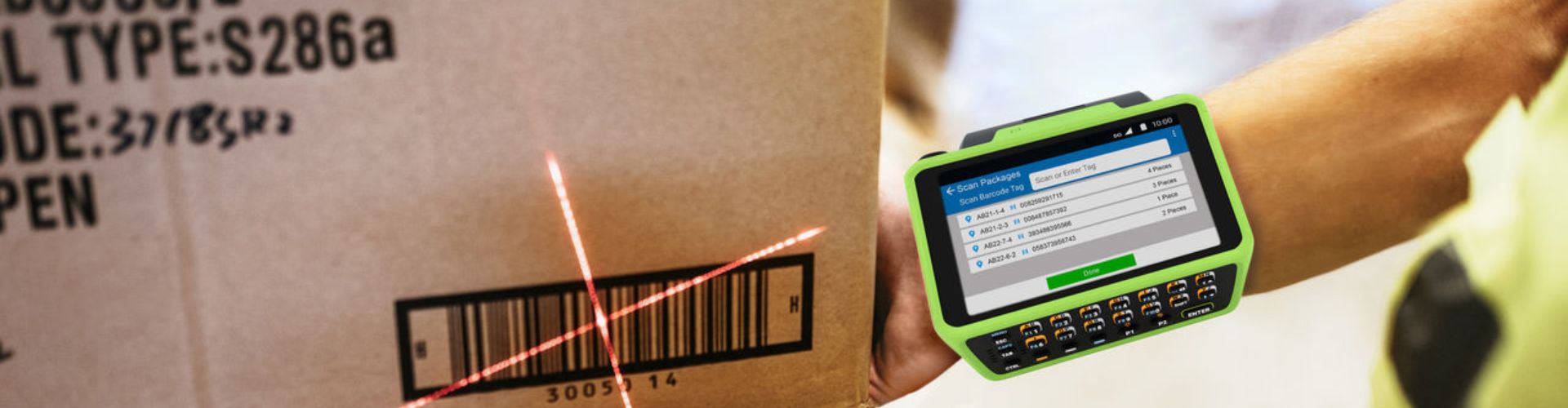
This is where Zebra mobile solutions integrate deeply with dispatch systems. Handhelds, scanners, and mobile computers sync live with routing engines. You get one connected layer across the warehouse, driver, and customer. The result is fewer blind spots, faster decisions, and stronger service level compliance across every delivery cycle driving measurable last mile efficiency daily execution.
How dispatch integration reduces missed delivery windows
Dispatch integration connects order management, inventory systems, and field devices into a single stream. When a delay happens, updates flow instantly. Drivers receive new instructions without waiting. This reduces missed delivery windows and keeps SLAs intact, even during peak demand or unexpected route disruptions across large distribution networks improving customer promise reliability and daily full control.
GPS enabled tracking and real time visibility advantage
GPS enabled tracking gives you a live operational map of every vehicle. You no longer rely on phone calls or manual updates. Instead, you respond instantly to delays and traffic shifts. This visibility improves coordination between dispatch and drivers, making delivery performance more predictable across high volume logistics environments reducing SLA breaches in transit significantly.
Why driver alerts matter more than dashboards
Dashboards alone do not fix delays. Drivers need alerts they can act on immediately. Mobile devices push notifications for reroutes, delays, and customer updates. This reduces hesitation and keeps delivery momentum steady. When alerts are clear and timely, field teams respond faster and service levels improve across daily operations turning data into field action fast.
How a Zebra solutions provider strengthens SLA compliance
A Zebra solutions provider helps align hardware, software, and field operations into one controlled ecosystem. This removes data silos and improves SLA compliance. You gain consistent tracking accuracy, fewer manual errors, and faster decision cycles. It becomes easier to scale delivery networks without losing operational visibility or control across regions supporting scalable last mile growth.
What changes when integration meets real time execution
When integration meets real time execution, delivery operations stop reacting late and start preventing delays. Systems talk continuously, drivers receive instant guidance, and dispatch teams stay ahead of disruptions. This shift turns last-mile logistics into a controlled flow, reducing uncertainty and improving customer satisfaction across fast moving supply chains with stronger real world reliability.
Why mobile workforce integration is the real advantage
Mobile workforce integration connects every moving part of your delivery network. From warehouse scanning to doorstep confirmation, data flows without breaks. This removes guesswork and builds operational trust. You gain tighter control, faster decisions, and fewer delivery gaps even in unpredictable traffic or demand spikes across regions making delivery networks smarter and stable every day.
Conclusion: Turning Last-Mile Chaos into Control
Last-mile delays shrink when visibility, routing intelligence, and real-time communication work together. With integrated mobile devices, dispatch systems gain full awareness of field activity. You stop reacting and start controlling outcomes. This creates smoother deliveries, fewer missed windows, and stronger customer trust across demanding logistics environments worldwide powered by connected enterprise mobility systems always improving.
Our 5th Wave integration enables faster mobile delivery outcomes across enterprise systems connect with us today now
FAQs
1. How do Zebra mobile solutions reduce delivery delays?
They connect drivers, dispatch, and routing systems in real time, reducing delays caused by poor visibility and slow communication across logistics operations.
2. Can GPS tracking really improve SLA compliance?
Yes, GPS tracking improves SLA compliance by giving real-time location updates, enabling faster rerouting and preventing missed delivery windows during transit.
3. What role does route optimization play in last-mile delivery?
Route optimization reduces travel time, fuel usage, and delays by learning traffic patterns and service windows for smarter daily delivery planning.
4. Why is driver communication important in logistics?
Clear driver communication ensures instant updates, reduces confusion, and keeps deliveries aligned with schedules, improving overall operational efficiency.
5. How does dispatch integration improve visibility?
Dispatch integration connects systems like inventory, orders, and field devices, creating real-time visibility and reducing missed delivery opportunities.