How Can Mobile Inventory Management Reduce Stockouts in Field Services?
How Can Mobile Inventory Management Reduce Stockouts in Field Services?
This blog explains how mobile inventory management helps field service teams prevent stockouts by technicians. It shows how real-time ERP and WMS synchronization, predictive replenishment, and live tracking improve parts availability. It also explores mobile data collection benefits and how better visibility directly increases customer satisfaction and service efficiency.
Nobody talks about the moment a technician opens a service kit… and the exact part is missing. Not delayed. Not backordered. Just not there. This is where mobile inventory management quietly changes everything. It connects field teams, warehouses, and systems so technicians stop guessing and start arriving fully equipped, every single time.
When stock visibility breaks, service breaks with it.
Why Do Field Technicians Still Arrive Without the Right Parts?
You would think ERP systems solved this already. They didn’t. The real gap is not software; it is movement. Inventory changes faster than static systems can record. That’s why field technicians often show up without critical parts, even when stock exists somewhere in the network.
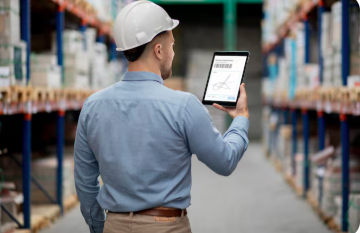
With mobile inventory management, every movement of stock is captured instantly. From warehouse shelves to technician vans, updates flow in real time. No delays. No blind spots. Just clean, synchronized visibility across the entire service chain.
How Real-Time ERP and WMS Sync Fixes Inventory Blind Spots
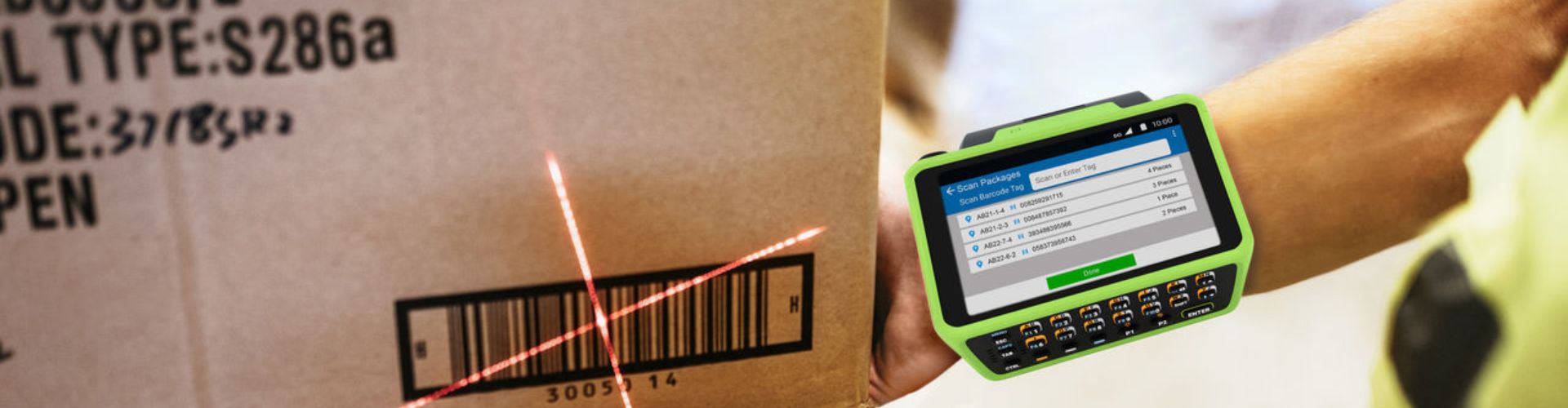
Here is where things get practical. ERP and WMS systems are powerful, but only when they talk to field devices without lag. Mobile integration bridges that gap. Every barcode scan updates central systems instantly, keeping inventory aligned across all touchpoints.
This is where mobile inventory management becomes a control layer, not just a tracking tool. It ensures that what the system shows is what actually exists on the ground. For field services, this removes guesswork and reduces emergency restocking cycles that drain time and money.
Can Predictive Replenishment Stop Stockouts Before They Happen?
Yes, and it already is in advanced operations. Predictive replenishment looks at usage patterns, technician routes, and job history. It then forecasts what parts will run low before it becomes a problem.
This is not guesswork. It is pattern recognition built on live operational data. When combined with smart routing and service schedules, technicians get pre-packed kits based on actual demand. Stockouts stop being a surprise and become a managed outcome.
You are no longer reacting. You are anticipating.
What Role Does Mobile Data Capture Play in Accuracy?
Here is the hidden engine behind all of this: mobile data collection. Every scan, every movement, every update feeds the system. Without it, even the best ERP becomes outdated fast.
Technicians using handheld devices or RFID readers update inventory as they work. No manual entries. No end-of-day reporting errors. Just real-time truth flowing into the system. That accuracy is what keeps parts available exactly when needed, not after delays.
How Mobile Visibility Improves Customer Satisfaction Instantly
Customers don’t care about your backend systems. They care about one thing: “Did the technician fix it on the first visit?” Stockouts destroy that moment. One missing part can turn a 30-minute job into a rescheduled visit.
Mobile-connected inventory systems reduce repeat visits drastically. Technicians arrive prepared, complete jobs faster, and close tickets in one trip. That improves trust instantly. Fewer delays. Fewer complaints. More predictable service outcomes.
This is where operational efficiency turns into customer loyalty.
Why Integration, Not Tools, Is the Real Advantage
You don’t need more tools. You need systems that talk to each other without friction. Barcode systems, RFID tracking, mobile apps, ERP, and WMS should behave like one unified flow.
When integration is done right, field service stops being reactive. It becomes controlled, measurable, and predictable. Every asset, every part, every technician becomes part of a connected ecosystem.
That is the real shift modern enterprises are chasing.
What Changes When You Move to Mobile-First Field Operations?
Everything becomes faster and quieter. No panic calls. No “we are out of stock” surprises. No wasted technician visits.
Instead, you get:
Cleaner inventory cycles
Accurate job planning
Better technician productivity
Higher first-time fix rates
And most importantly, fewer disruptions in service delivery.
This is not a tech upgrade. It is an operational reset.
Where Technology Integration Meets Field Reality
As a systems integrator, the goal is simple: remove friction between the field and the system. Hardware, software, and connectivity must behave like one unit. When they do, stockouts reduce naturally, not manually.
That is the difference between managing inventory and controlling it in real time.
Conclusion: From Reactive Stock Control to Predictive Service Flow
Field service breaks when inventory visibility breaks. With mobile-enabled systems, that gap closes completely. You gain real-time accuracy, predictive control, and stronger service outcomes. Stockouts stop being operational pain points and become preventable events through structured visibility and integration.
We at 5th Wave – step in where visibility ends and control begins, and we design systems that keep your field teams always ready, always equipped. We align your field operations with real-time mobility systems; let us build your connected inventory network today.
FAQs
- What is mobile inventory management in field service?
It is a system that tracks inventory in real time using mobile devices, ensuring technicians always know what parts are available and where they are located. - How does mobile inventory management reduce stockouts?
It provides live updates across ERP and WMS systems, preventing inventory mismatches and ensuring accurate availability before technicians reach job sites. - Why is real-time synchronization important for field teams?
It ensures every stock movement is instantly updated, reducing errors and helping technicians carry the right parts for every job. - How does mobile data collection improve accuracy?
It removes manual entry errors by capturing inventory movements instantly through barcode scanning, RFID, or mobile apps during operations. - Can predictive replenishment work without mobile systems?
No, it requires real-time usage data from mobile systems to forecast demand accurately and prevent future stock shortages.