How Do Zebra RFID Printers Enable On-Demand Tagging in Logistics?
How Do Zebra RFID Printers Enable On-Demand Tagging in Logistics?
This blog explains how RFID printers from Zebra enable fast on-demand tagging in logistics operations. It covers real-time label creation, mobile and industrial printing use cases, and how workflows like cross-docking, returns handling, and last-mile delivery improve accuracy, speed, and visibility across supply chains using RFID tagging solutions.
You are no longer tied to fixed labelling stations or delayed data entry. With RFID tagging solutions, logistics teams now generate smart labels right where work happens. These systems transform movement, speed, and accuracy in one flow. In modern operations, RFID tagging solutions help you act instantly, not later, improving every shipment decision you make.
What Makes On-Demand RFID Printing a Game Changer?
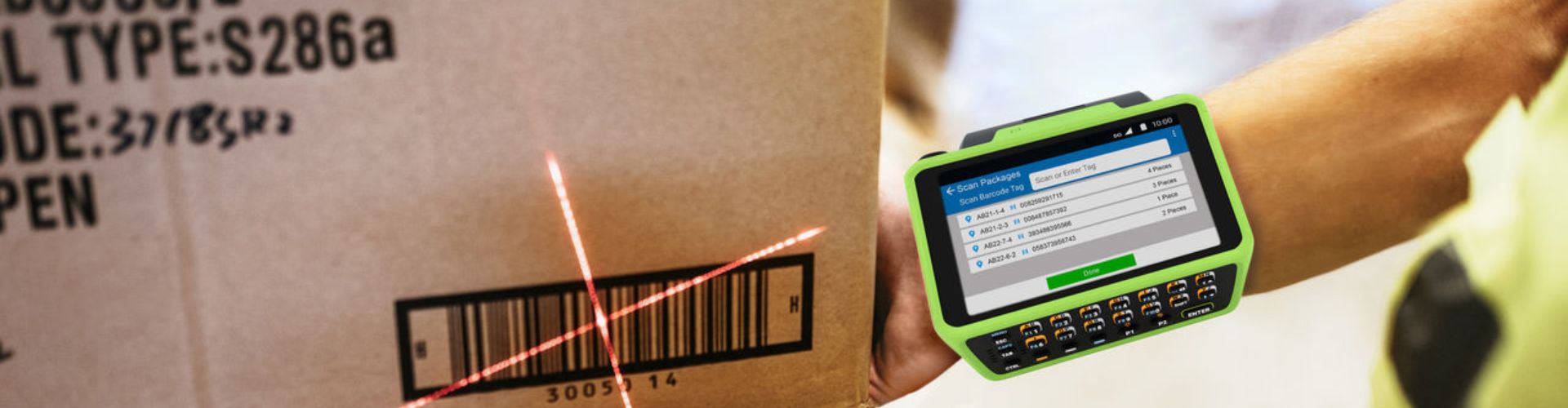
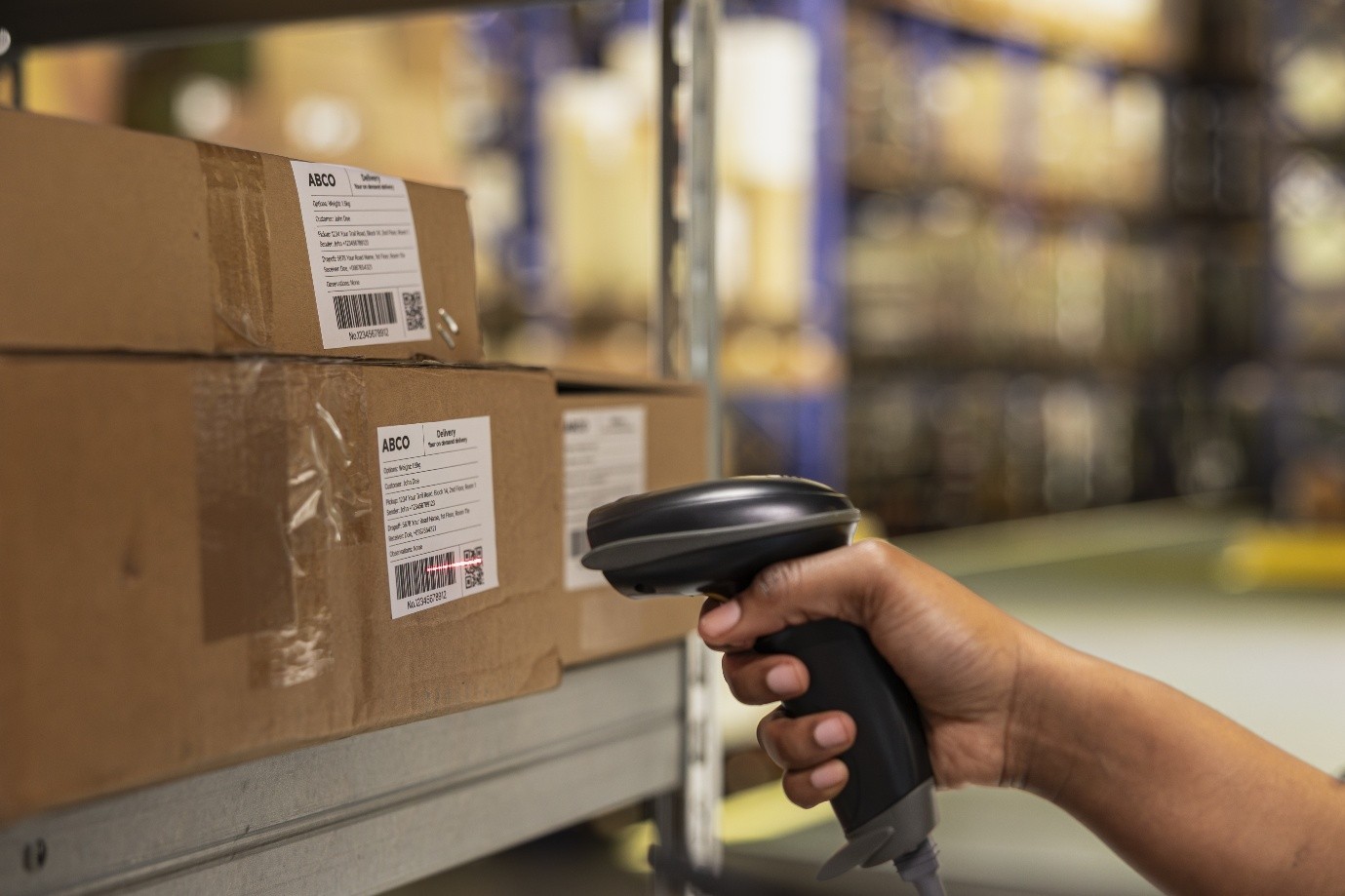
On-demand RFID printing means labels are created exactly when and where they are needed. No waiting, no backtracking. Zebra RFID printers support instant encoding of data into tags. You simply scan, print, and apply. This removes manual errors and keeps your goods moving without interruption across warehouse floors and transport zones.
How Do Mobile and Industrial RFID Printers Work Together?
Mobile printers travel with your workforce, while industrial printers handle heavy-volume stations. Together, they form a flexible system. Workers print tags at packing desks or inside trucks. This reduces dependency on fixed IT setups. The result is smoother coordination between receiving, storage, and dispatch teams, even during high-pressure shifts.
Why Do Cross-Docking Operations Depend on Real-Time Tagging?
Cross-docking runs at speed. Goods arrive and leave without long storage time. RFID printers allow instant tagging at the dock door. Items are identified, labeled, and redirected in seconds. This avoids bottlenecks and keeps goods flowing. You gain control over timing, accuracy, and shipment prioritization without slowing down operations.
How Does RFID Tagging Improve Returns Processing Accuracy?
Returns can get messy without proper tracking. With RFID, each returned item is tagged immediately at entry. You know where it came from, its condition, and its next step. This reduces sorting errors and speeds up restocking. It also helps you detect repeat return patterns that affect business efficiency.
What Role Does RFID Play in Last-Mile Delivery?
Last-mile delivery is where accuracy matters most. RFID tags help drivers verify parcels before delivery. Each scan confirms the right package goes to the right address. No confusion, no missed drops. This builds customer trust and reduces failed deliveries, especially in high-volume urban distribution routes.
How Zebra RFID Printers Strengthen Field Mobility?
Zebra Technologies printers are built for rugged, mobile environments. Whether in warehouses or delivery trucks, they perform without downtime. Their integration with enterprise systems ensures real-time data sync. This allows your field teams to stay connected to central systems while working on the move.
Where Does RFID Tag Printing Fit in Daily Operations?
RFID tag printing happens at multiple touchpoints. Receiving stations, packing zones, shipping docks, and even delivery vehicles use it. Each tag carries encoded data that updates instantly in your system. This reduces dependency on handwritten logs or delayed scanning. You get clean, structured, real-time inventory visibility.
How Do Systems Integrators Enhance RFID Deployment?
As a solutions provider, you are not just installing printers. You are designing workflows. Integration connects RFID printers with ERP, WMS, and mobile devices. This creates a seamless data loop. When a tag is printed, your entire system updates automatically, improving forecasting, traceability, and operational planning.
Why Real-Time RFID Systems Reduce Operational Blind Spots?
Traditional systems create delays between action and data entry. RFID removes that gap. Every scan updates your system instantly. This means fewer blind spots in inventory, shipping, and asset tracking. You gain sharper control over operations, even during peak demand cycles or supply chain disruptions.
How Do RFID Printers Support a Mobile Workforce Model?
Your workforce is no longer tied to desks or terminals. Mobile RFID printers allow teams to work anywhere. This supports faster decision-making on the floor. It also reduces dependency on centralized stations. The outcome is a more agile, responsive, and connected operational environment across all logistics stages.
What Business Value Do You Actually Gain?
You reduce errors, speed up dispatch cycles, and improve inventory accuracy. More importantly, you create predictable operations. This consistency builds trust with customers and internal teams. Over time, RFID adoption becomes less about hardware and more about building smarter, faster, and cleaner logistics workflows.
Conclusion: Turning Tagging Into a Real-Time Advantage
RFID printing is no longer a support function. It is a control point for modern logistics. With mobile and industrial systems working together, your operations become faster and more reliable. At 5th Wave, we design and integrate these RFID tagging solutions, and help you shift toward real-time precision that strengthens every supply chain decision.
FAQs
- What are Zebra RFID printers used for in logistics?
They are used to print and encode RFID tags in real time, helping track goods across warehouses, transport systems, and delivery networks with higher accuracy. - How do RFID printers improve warehouse speed?
They remove manual labeling delays by printing smart tags instantly at the point of activity, reducing handling time and improving workflow speed. - Can RFID printers work with mobile devices?
Yes, they connect with handheld devices and enterprise systems, allowing workers to print and update data while moving across operational zones. - Why is RFID better than barcode labeling?
RFID stores more data, works without direct line-of-sight, and updates systems automatically, reducing scanning errors and manual intervention. - Do RFID printers support large-scale logistics operations?
Yes, they scale easily across industrial and mobile setups, supporting high-volume environments like warehouses, cross-docks, and distribution centers.