Why Is Zebra’s Warehouse Integration Critical for Omnichannel Fulfillment?
Why Is Zebra’s Warehouse Integration Critical for Omnichannel Fulfillment?
Overview: This blog explains how Zebra technologies warehouse solutions integration strengthens omnichannel fulfillment. It shows how real-time visibility, ERP and WMS connectivity, RFID accuracy, and adaptive workflows improve warehouse performance. It also highlights how enterprises reduce errors, improve order orchestration, and create faster, smarter supply chain operations across retail, e-commerce, and B2B channels.
How does warehouse integration improve omnichannel fulfillment using Zebra systems?
The answer sits inside smart mobility and connected data flow. The Zebra technologies warehouse solutions integration helps you connect e-commerce, retail, and B2B orders into one smooth system. You stop chasing fragmented updates and start seeing real-time warehouse truth. This is where speed, accuracy, and control finally meet in one operational view.
Why omnichannel fulfillment breaks without integrated systems
You feel the pressure when orders come from everywhere at once. Online carts, store replenishment, and B2B bulk requests all collide. Without integration, warehouse teams operate blind. Delays increase. Errors multiply. Zebra systems remove that friction by connecting scanning devices, mobile computers, and backend platforms into one synchronized flow of information.
What changes when real-time visibility enters your warehouse
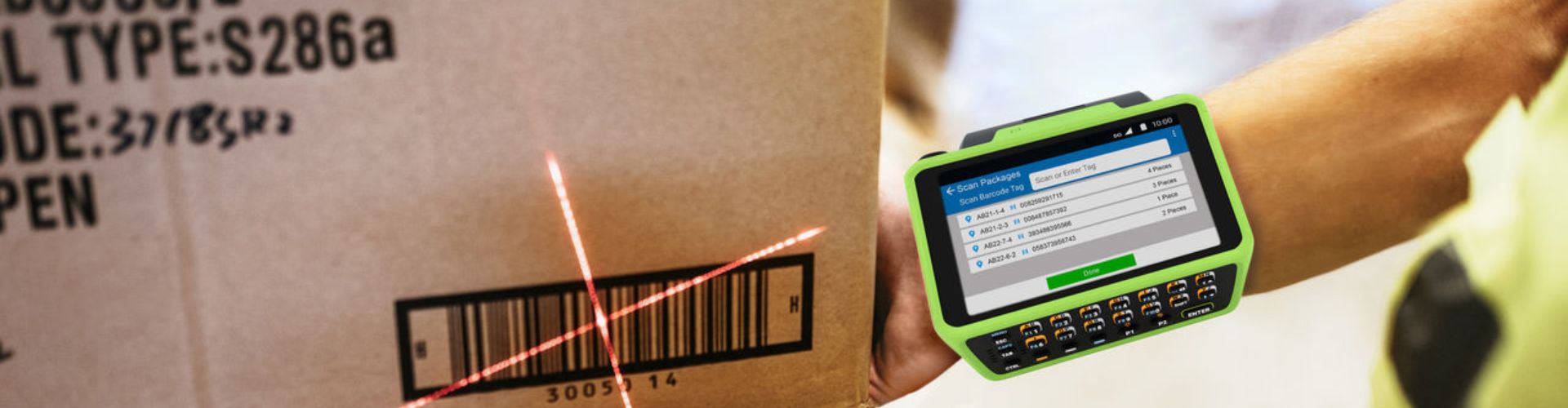
With Zebra technologies warehouse solutions integration, every scan becomes instant intelligence. A picked item is not just moved, it is tracked. A pallet shift updates inventory immediately. This removes guesswork. The surprising part is how quickly stock discrepancies drop when real-time visibility becomes standard practice across all warehouse zones.
Why adaptive workflows quietly change everything inside operations
Most warehouses run on rigid steps. That breaks under pressure. Adaptive workflows inside Zebra environments adjust based on order priority, stock location, and channel type. Here is the twist: operators spend less time deciding and more time executing. The system guides movement like a GPS for inventory paths inside the warehouse.
How ERP and WMS integration becomes the control center
When ERP and WMS platforms connect with Zebra systems, data stops living in silos. Orders flow directly into warehouse tasks. Updates reflect instantly across finance, inventory, and logistics teams. This creates a single operational truth. You no longer reconcile systems. You trust one shared data layer that updates in real time.
Where RFID brings unexpected accuracy gains
One overlooked layer is RFID-driven intelligence. With Zebra RFID warehouse management, you track items without line-of-sight scanning. That means bulk reads, faster cycle counts, and fewer manual errors. The surprising gain is labor shift efficiency. Teams spend less time scanning and more time resolving exceptions that actually need human judgment.
How Zebra technologies warehouse solutions integration connects channels seamlessly
This is where order orchestration becomes powerful. Zebra technologies warehouse solutions integration aligns retail store orders, e-commerce shipments, and B2B bulk dispatch into one execution engine. Orders are prioritized automatically. Picking paths adjust dynamically. You stop switching systems and start operating through one unified warehouse command flow that reacts in real time.
Why mobile workforce execution is the real performance driver
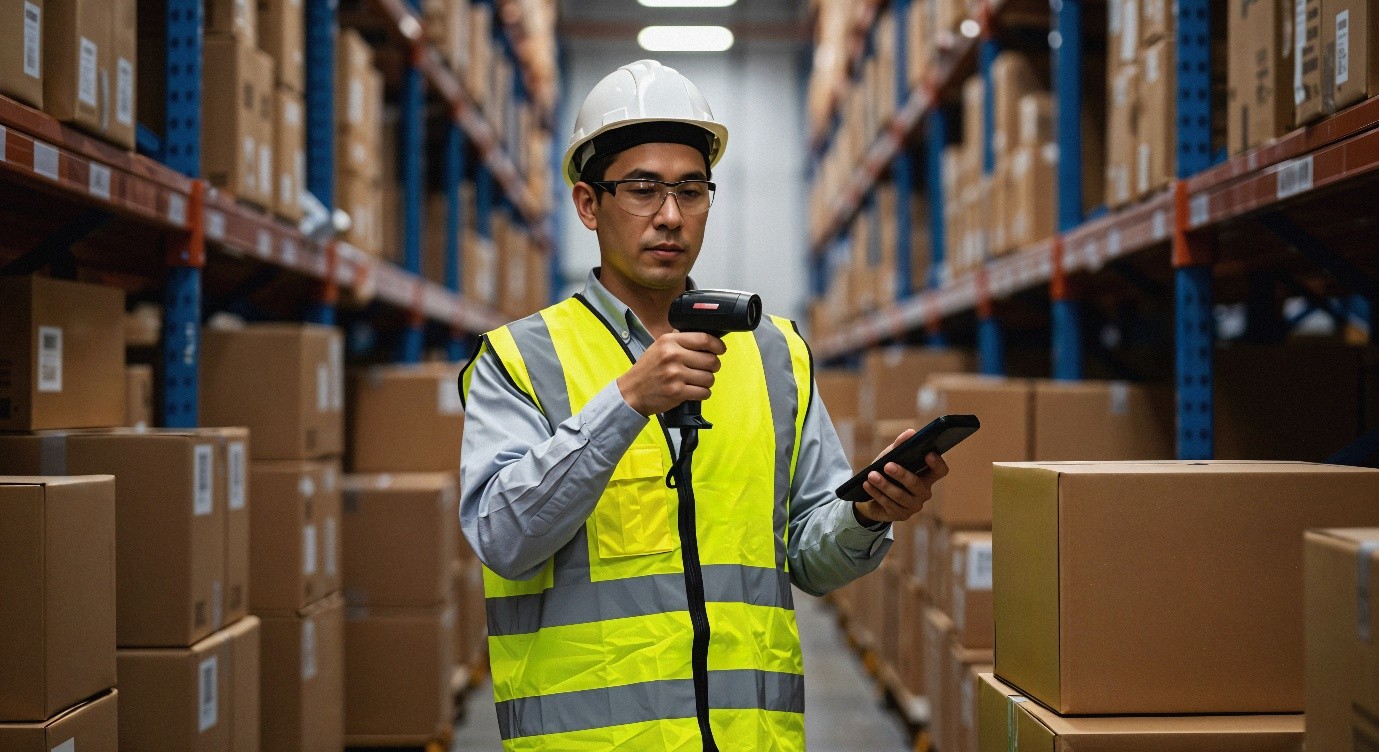
Warehouses are no longer fixed workstation environments. Mobile computing devices turn every associate into a connected node. Zebra handhelds deliver task instructions instantly. Barcode scans validate accuracy on the spot. The surprise here is reduced training time. New workers become productive faster because the system guides every action step by step.
How integration reduces hidden operational downtime
Downtime is not always visible. It hides in delays, rework, and manual checks. Integrated Zebra systems reduce these silent losses. Alerts flag issues early. Inventory mismatches are caught before shipment. The result is smoother throughput without expanding workforce size. Efficiency grows not by speed alone but by error prevention.
Why supply chain leaders are shifting toward unified mobility systems
IT directors and supply chain leaders are prioritizing connected mobility because complexity is rising. More channels mean more pressure. Zebra-based integration gives them control without adding operational chaos. Decisions become data-driven. The warehouse stops reacting late and starts responding in real time, like a system that thinks ahead.
How ERP driven orchestration improves decision confidence
When ERP logic connects with warehouse execution, decisions stop being delayed. Stock allocation, order routing, and replenishment happen faster. Managers see live dashboards instead of reports. That clarity builds confidence. You act on current truth, not outdated snapshots. This reduces overstocking and improves customer delivery reliability.
What makes integrated data collection a competitive advantage
Data collection is not just about scanning. It is about timing, accuracy, and flow. Integrated systems ensure every scan has meaning across the entire enterprise stack. That is the difference. You are not collecting data. You are activating it. Every movement becomes a signal that improves the next operational decision.
Why enterprise mobility is the backbone of modern warehouses
Without mobility, integration fails. Zebra devices bring mobility into every warehouse corner. Workers receive live tasks, confirm picks instantly, and resolve exceptions on the move. The surprising shift is cultural. Teams stop working in isolation and start operating as a connected, responsive unit.
Final operational shift that changes everything
The real impact of integrated warehouse systems is not just speed. It is controlled under complexity. When systems, people, and data align, chaos reduces. Execution becomes predictable. You do not just process orders. You orchestrate them with precision across every channel, every time.
We at 5th Wave – help enterprises design this transformation layer by layer through a 5th Wave approach for smarter warehouse integration decisions.
FAQs
- What is Zebra warehouse integration used for
It connects warehouse devices, ERP, and WMS systems to streamline order fulfillment across retail, e-commerce, and B2B channels with real-time tracking and automation. - How does Zebra improve omnichannel fulfillment
It synchronizes inventory, order routing, and picking workflows, reducing delays and errors while improving speed and accuracy across multiple sales channels. - What role does RFID play in warehouse systems
RFID enables fast, non-line-of-sight tracking of inventory, improving cycle counts, reducing manual scanning, and increasing overall warehouse visibility. - Can Zebra systems integrate with existing ERP platforms
Yes, Zebra solutions integrate with major ERP and WMS platforms, creating a unified data flow for inventory, order management, and logistics execution. - Why is real-time visibility important in warehouses
- Real-time visibility prevents stock mismatches, reduces delays, and allows faster decision-making, improving efficiency and customer satisfaction across supply chains.