Field Services Go Digital: How Enterprise Mobility Increases Productivity in Utilities and Maintenance?
Field Services Go Digital: How Enterprise Mobility Increases Productivity in Utilities and Maintenance?
When you’re in the trenches of utility or telecom operations, you already know the pressure: critical assets need immediate attention, systems must stay live, and every second a technician spends idle is money lost. This is where enterprise mobility solutions are rewriting the field playbook — and fast.
But what if your technicians could resolve more calls per day — even in zero-connectivity zones? And what if your systems could talk to each other — in real time, across regions?
Let’s break down how this digital shift is reshaping utilities, telecom, and maintenance workforces across the board.
Why Are Utilities and Maintenance Going Mobile Now?
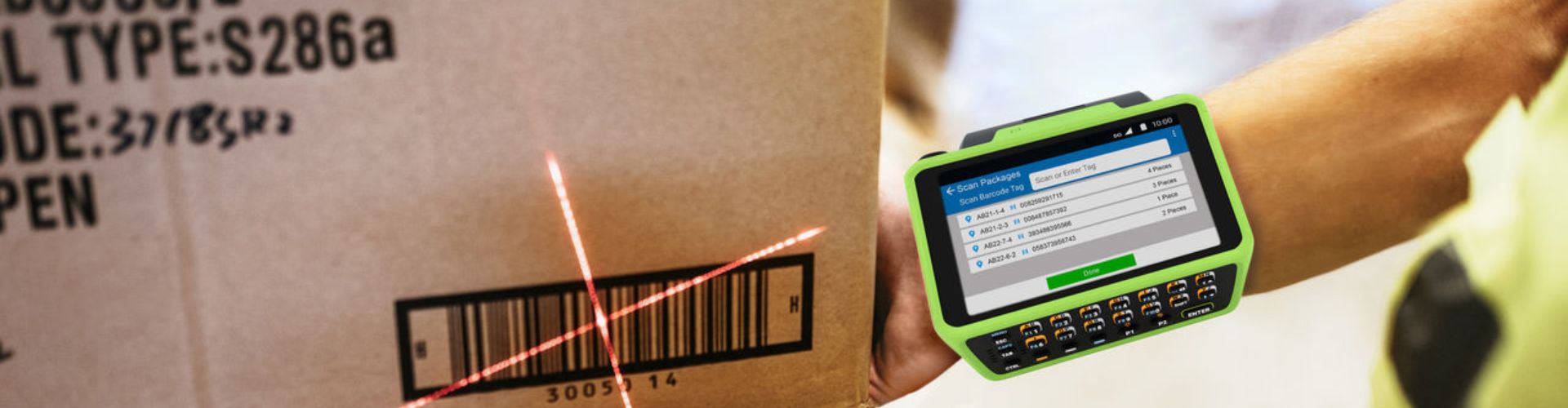
The demand for faster service resolution, real-time asset visibility, and smarter workforce deployment is driving large enterprises toward enterprise mobility solutions. Rugged devices like Zebra L10 tablets and smartphones are becoming must-haves — not luxuries.
But mobility is about more than devices. It’s about transforming the way field data flows — seamlessly connecting asset inspections, GIS systems, mobile work orders, and FSM platforms.
According to MarketsandMarkets (2025), the Field Service Management market is projected to reach $10.81 billion by 2026, growing at 11.9% CAGR — and mobile tech is at the heart of this acceleration.
How Are Rugged Devices Enhancing Field Workflows?
Today’s rugged tablets do more than withstand drops and bad weather. They empower technicians to:
- Access digital work orders and inspection checklists
- Capture asset conditions using integrated cameras and RFID
- Sync GIS data and overlay maps in real time
- Run remote diagnostics, even in offline modes
Field crews aren’t just filling out reports — they’re diagnosing transformers, configuring routers, or documenting inspections — all in one interface. But what happens when technicians lose signal in remote regions?
That’s where offline data capture and background sync come into play, making sure no critical inspection or repair log is lost — syncing automatically once a connection is re-established.
What’s Driving Productivity Gains in Field Services?
Productivity is no longer just about faster task completion — it’s about smarter operations.
When rugged devices are integrated with Field Service Management (FSM) software, you unlock:
- Real-time technician tracking via GPS
- Automated dispatching based on skill, proximity, and availability
- Live status updates and SLA monitoring
- Predictive maintenance through integrated diagnostics
Field teams can complete more jobs, reduce downtime, and even troubleshoot remotely — without dispatching secondary crews.
Here’s what many enterprises are still missing…
GIS integration. When you embed Geographic Information Systems into your mobility stack, technicians can view spatial data, underground utilities, or terrain conditions, giving them location-specific insights that boost first-time fix rates.
Can Enterprise Mobility Support Large-Scale Deployments?
Absolutely. Whether you’re overseeing 500 or 5,000 assets, enterprise mobility solutions scale across:
- Utilities: Automate meter reading, outage response, and asset tracking.
- Telecom: Speed up network rollouts, tower maintenance, and signal testing.
- Facilities Maintenance: Streamline HVAC checks, elevator inspections, and safety compliance.
Add in rugged hardware like the Zebra L10, integrated FSM platforms, and tools like mobile inventory management, and you’ve got a connected, context-aware workforce.
5th Wave is right there with its range of options to cater to all your demands — from basic barcoding to RFID-integrated tablets for advanced field diagnostics.
How Can You Future-Proof Your Field Service Operations?
To stay ahead, enterprises need more than devices. They need:
- Custom workflows tailored to your industry
- Seamless integration with existing ERP, EAM, or FSM software
- Offline-first capabilities for true field resilience
- Real-time visibility into operations
And perhaps most importantly — a solutions partner who understands how field teams work, and what slows them down.
FAQs that you must take note of
Ready to Mobilize Your Field Force?
If you’re still relying on paper logs or outdated handhelds, your teams are working harder than they should. Modernizing with enterprise mobility solutions doesn’t just reduce errors — it unlocks untapped efficiencies across your entire field operation. Want to know which mobile strategy works best for your environment? Let’s talk — we’ll show you how to map your assets, digitize inspections, and empower your technicians to do more — with less.