How Can RFID Systems Enhance Supply Chain Visibility in Food & Beverage?
How Can RFID Systems Enhance Supply Chain Visibility in Food & Beverage?
You lose sleep over missing pallets of fresh juice. Trucks take wrong turns. Orders mix up at the warehouse. Food goes bad before it reaches shelves. Shrinkage eats your profits. But RFID system deployment changes that. It tracks items automatically. Your supply chain gains clear visibility from start to finish.
What Exactly Is RFID and Why Should You Care?
RFID tags are tiny chips you stick on boxes or pallets. They hold basic info like batch number and expiration date. Readers send radio waves. The tags reply without any line of sight. Think of it as each item wearing a smart name tag that shouts its location. No more scanning one by one like barcodes. You get instant updates. Even in a packed cooler truck full of dairy or bakery goods, the system keeps working.
How Do You Integrate RFID with Logistics, Fleet, and Distribution?
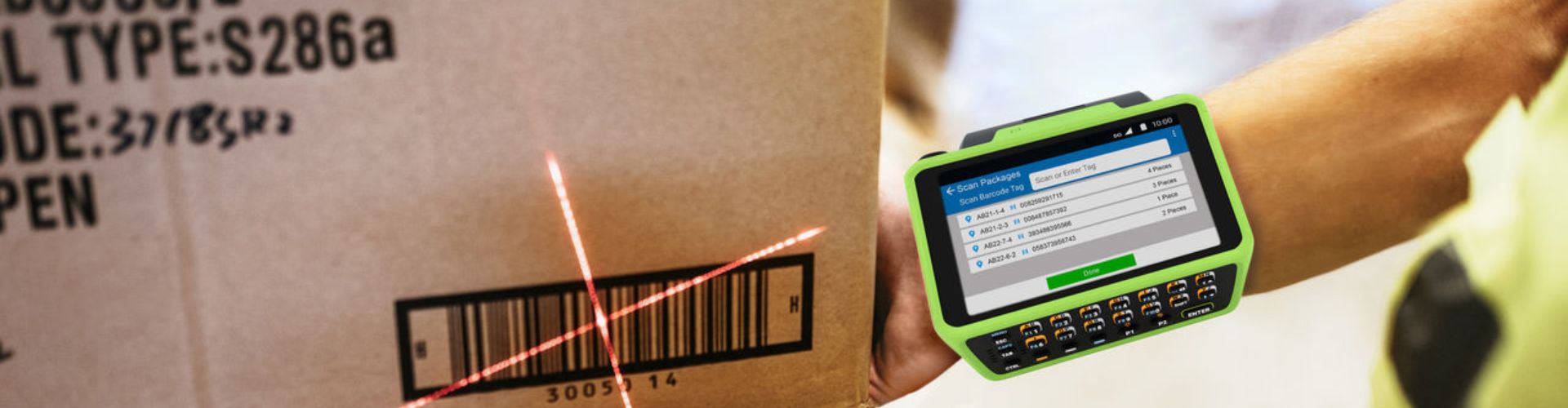
You mount readers at dock doors and conveyor belts. Data flows straight into your existing software. Trucks get vehicle-mounted readers too. Your fleet drivers see live load status on a simple dashboard. Distribution centers update inventory the moment a pallet rolls out. This link turns separate systems into one smooth network. You avoid manual logs. Errors drop fast. Your team moves quicker because the tech handles the heavy lifting.
How Does Real-Time Tracking Deliver Real Wins?
Real-time tracking shows every move your products make. You spot delays before they grow. Shrinkage falls because you catch misplaced cases right away. Delivery accuracy jumps since the system confirms the exact load. Route planning improves with fresh data on traffic and load times. Perishables stay fresher longer. You cut waste and keep customers happy. The numbers speak for themselves in busy food operations.
What Wins Come from RFID in Fleet Management and Distribution?
- Readers on trucks report location and temperature without extra stops.
- You reroute loads instantly when delays pop up.
- Dock systems scan full pallets on arrival or departure.
- Data feeds your software so orders match perfectly every time.
- Fuel use drops because routes stay smart and direct.
Can RFID Order Picking Speed Up Your Warehouse Work?
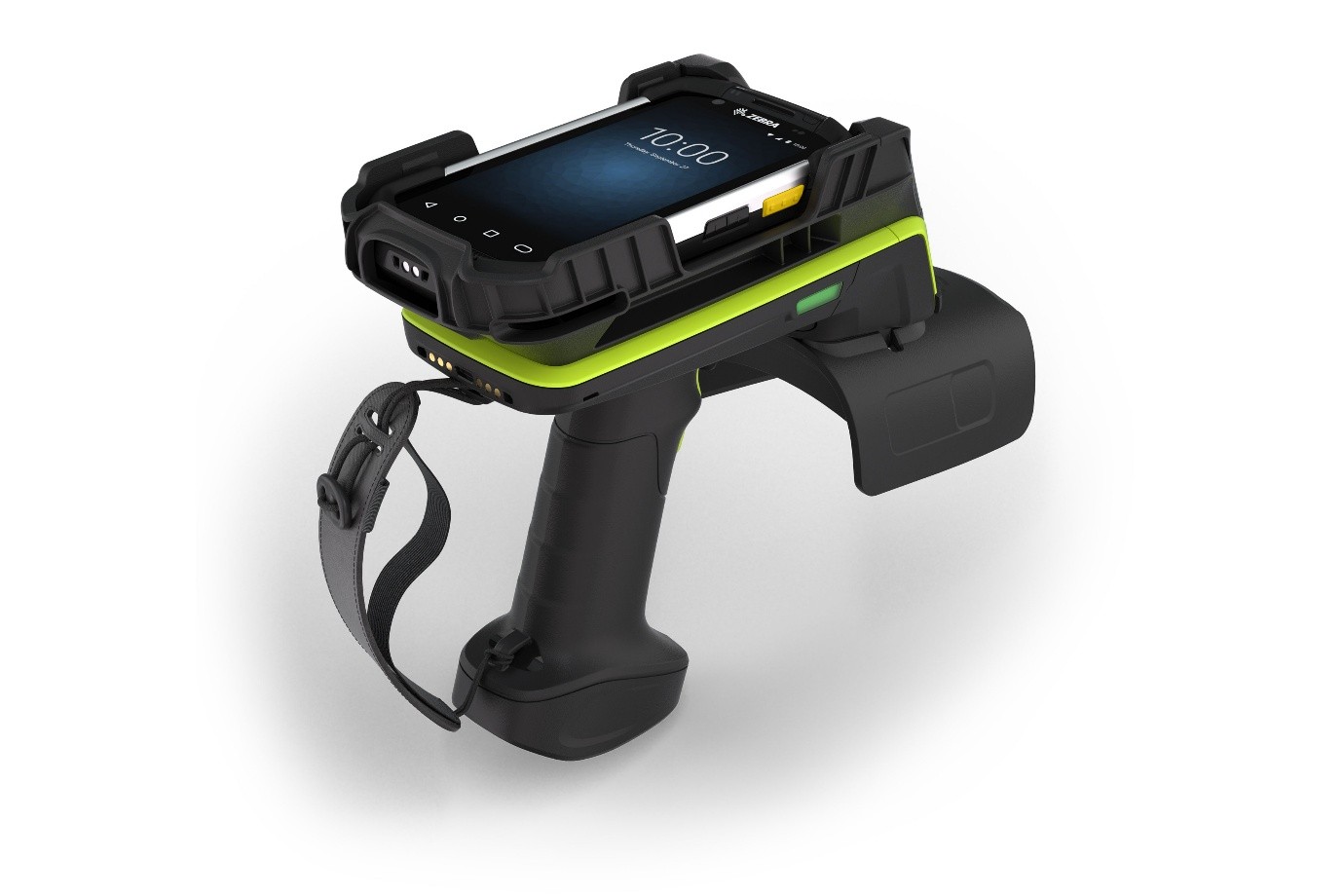
You use RFID order picking to grab the right cases fast. Handheld readers tell workers exactly which items to pull. No more hunting through aisles or double-checking labels. Accuracy hits new highs. Your warehouse crew finishes shifts earlier. Mistakes that once led to wrong deliveries simply vanish. The process feels effortless once the tags and readers team up with your mobile devices.
What Practical Tips Make RFID Work Best for You?
Start small with a pilot on high-value items like fresh meat or premium spirits. Pair tags with basic sensors to watch temperature on the move. Use your current mobile computers so drivers and pickers need no new training. Feed the data into simple analytics to forecast demand spikes around holidays. Test one route first. Measure shrinkage and on-time rates after thirty days. Scale only where you see clear savings. These steps keep costs low and results high.
How Does This Setup Fit Your Daily Operations?
You run a dairy or bakery. Trucks leave at dawn with tight schedules. RFID readers update your system the second a pallet clears the dock. Your operations manager checks a tablet and knows every load status. No phone calls. No guesswork. Distribution runs tighter because everyone works from the same live picture. You meet food safety rules easier too. Trace any batch back to its source in seconds if questions arise.
Why Choose Custom Integration Over Off-the-Shelf Tools?
Standard packages often miss your exact workflow. You need readers that talk to your fleet software without gaps. Custom setup matches your warehouse layout and truck routes. Your IT team stays in control. Changes happen fast when business grows. The result feels built for you, not forced on you. Downtime stays minimal because the integrator tests everything first.
What Changes Once You Gain Full Visibility?
Shrinkage drops because lost items show up immediately. Delivery accuracy climbs as drivers confirm loads before they roll. Route planning turns proactive with real data on delays and loads. Your food stays fresher. Customers notice the difference. Profits rise because waste shrinks and efficiency grows. You run a tighter, calmer operation every single day.
We at 5th Wave tailor these RFID system deployment solutions to fit your exact needs. Our experts handle the full integration so you focus on growth. Reach out today and see the difference custom RFID makes in your food and beverage supply chain.
FAQs
- What is the main difference between RFID and barcodes?
RFID reads tags from feet away without line of sight. Barcodes need direct scans. This saves time in fast-paced food warehouses.
- How quickly does RFID cut shrinkage in food operations?
Most businesses see 20-30 percent less loss within the first three months. Live alerts catch issues before products spoil or go missing.
- Is RFID system deployment affordable for smaller food businesses?
Yes. Start with a pilot on one warehouse or route. Costs drop fast as you scale and measure clear savings in waste and labor.
- Does RFID help meet food safety and traceability rules?
It does. You trace any batch from farm to shelf in seconds. This speeds up recalls and keeps compliance simple and fast.
- How long does full RFID integration usually take?
A typical project runs eight to twelve weeks. We test everything first so your daily operations face zero disruption.