Sustainability Tracking in Retail Manufacturing: Data That Drives Greener Operations!
Sustainability Tracking in Retail Manufacturing: Data That Drives Greener Operations!
You want cleaner production lines, lower emissions, and transparent actions that win trust. That is why you look toward manufacturing tracking solutions early in your sustainability journey. You want data that speaks clearly, solves problems fast, and strengthens your retail manufacturing operations. So let us explore how you move toward greener decisions with confidence.
Why Does Sustainability Tracking Matter to You Today?
You already sense the shift. Consumers now ask questions about energy use, carbon output, and waste handling. Retailers who cannot answer accurately lose their edge. A 2024 study by Deloitte reported that more than sixty percent of shoppers choose brands that show verifiable environmental data. You cannot ignore this. You want precision. You want clarity. You want systems that help you deliver both.
How Does Carbon Tracking Give You Actionable Power?
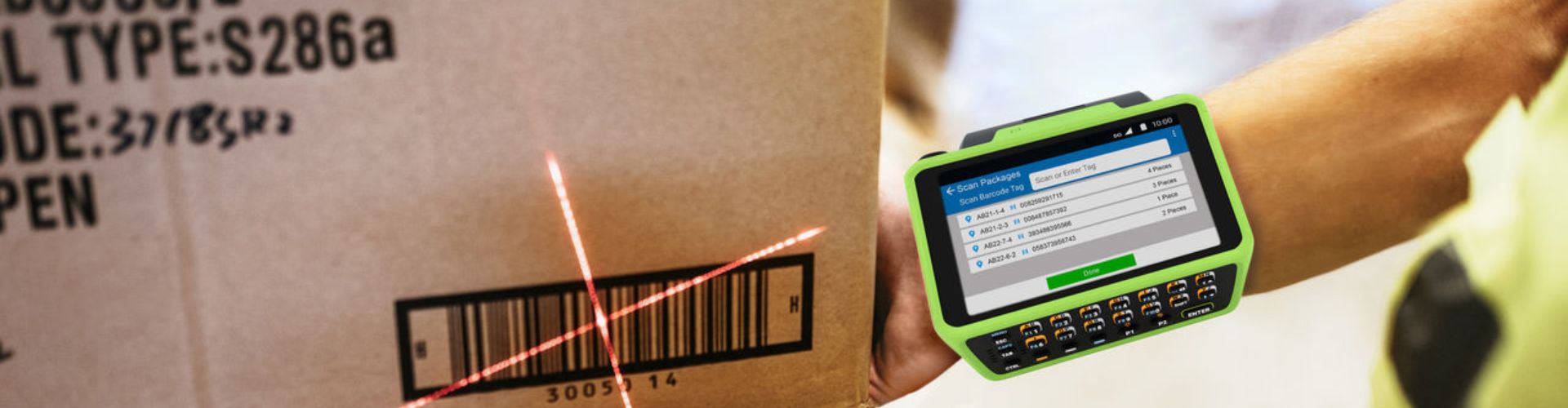
You start by capturing carbon data across production, storage, and distribution. You learn where emissions rise, which assets consume more energy, and where small tweaks can save thousands. With mobility tools and barcode scanning, even your floor teams can record data fast.
- You measure emissions in real time, so you adjust operations without delay.
- You view historical patterns that guide long term reduction plans.
Here is your first cliffhanger. What happens when you combine carbon insights with location intelligence? You discover inefficiencies that you never noticed, and the results may surprise you.
Can Waste Monitoring Finally Give You That Lost Clarity?
You want to know what you waste, how often you waste it, and why it keeps happening. Waste monitoring helps you see hidden leakages. With RFID tagging, you trace raw materials from receiving to dispatch. You find weak points in processing lines and act before the costs pile up.
- You pinpoint slow moving items that create silent waste.
- You identify packaging or material losses that eat into margins.
Now here is your second cliffhanger. What if your waste numbers drop, but your operational gaps still cost you money? That is exactly where deeper analytics offer answers.
How Energy Consumption Analytics Guide Practical Decisions?
You check your energy use not once a month but every minute. You compare machine usage, temperature zones, and peak load timings. You learn what drains your resources and what keeps your systems healthy. When you combine this data with manufacturing tracking systems, patterns appear quickly. You start to time operations better, use smart scheduling, and extend the life of equipment.
Why Transparency Shapes Your Retail Advantage
You already know shoppers value truthful brands. When you show accurate sustainability metrics, you build trust. Transparency also helps you match compliance standards with ease. Whether it is carbon reports, waste declarations, or energy logs, you respond with reliable data. You create smoother audits, strengthen investor relations, and support eco conscious buyers who demand clarity.
How Your Teams Use Data to Improve Everyday Operations?
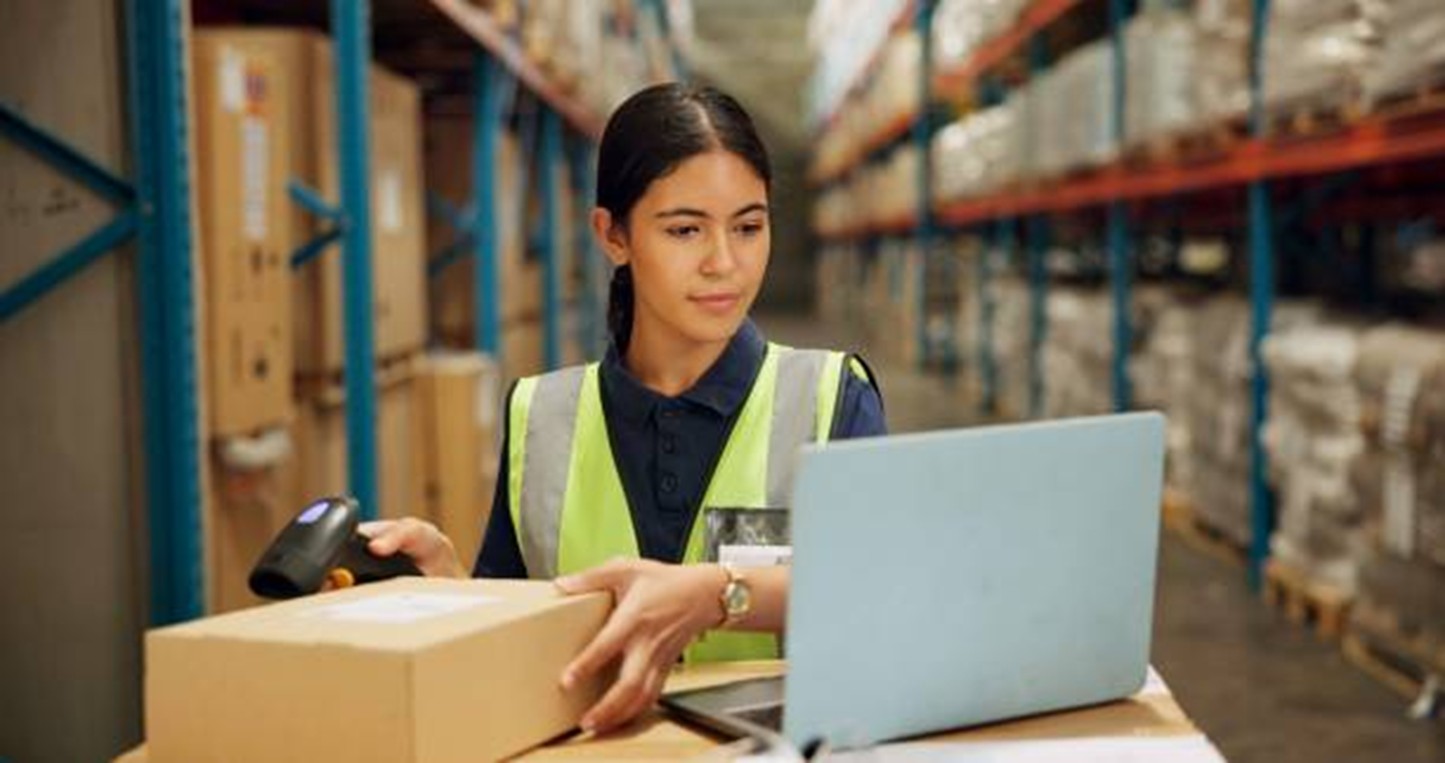
Your floor staff scan items, track movements, record metrics, and update workflows with handheld mobility tools. Your managers view dashboards that summarise everything. They compare stores, evaluate suppliers, and verify compliance records. This is how problems become easier to solve. This is how operations stay aligned with your sustainability goals.
How Mobility and Data Collection Shape the Future of Green Retail?
You bring precision to every action. Basic barcoding supports entry level tracking. Advanced RFID gives you frictionless visibility. Both come together to create smarter, cleaner production cycles. With the right integrations, your data flows across departments and supports every decision. This is why 5th Wave is there with its range of options to cater to all your demands.
Why Your Choice of Technology Partner Matters
You want a team that understands mobility workflows and sustainability reporting. You want flexible tools that adapt to retail, manufacturing, logistics, or distribution. You want solutions that evolve with changing regulations. You find value in custom builds that match your pace and your complexity. This is how you reduce emissions, control losses, and save energy, and we at 5th Wave are here to partner with you.
Parting Words
You aim for greener operations. You use carbon tracking to identify emissions. You monitor waste to reduce losses. You analyse energy use to protect your resources. You rely on strong data collection tools and manufacturing tracking solutions to support these goals. You strengthen trust, improve efficiency, and shape a cleaner retail future.
If you want smarter ways to track, manage, and improve your sustainability efforts, reach out and explore options that elevate your operations with ease.