Can Modern Backend Platforms Eliminate Data Silos in Large Enterprises?

Can Modern Backend Platforms Eliminate Data Silos in Large Enterprises?
Most people think data silos are a software problem. They aren’t. They are a “connection” problem. You have great tools, but they don’t talk. Modern backend platforms enterprise database integration fixes this by acting as a bridge. It turns scattered whispers into one clear voice, helping you make decisions faster and more accurately than ever before.
Is your data stuck on a lonely island?
Imagine your company is like a big city. Every department is its own neighborhood. Right now, the Shipping neighborhood doesn’t have a road leading to the Sales neighborhood. They both have important maps, but they can’t share them. This “island” problem is what we call a data silo. It slows everyone down and causes mistakes.
You might have the best ERP in the world, but if your warehouse team can’t see what the sales team promised, you’re in trouble. We help you build those roads. We use backend platforms enterprise database integration to make sure every neighborhood speaks the same language instantly.
The big myth: One software to rule them all?
Here is a common myth: “If we just buy one giant software for everything, our problems will vanish.” Honestly? That’s rarely true. Large enterprises are complex. You need specialized tools for metal fabrication, aviation, or dairy production. Forcing everyone into one rigid box usually creates more work and frustrated employees who just want to finish their jobs.
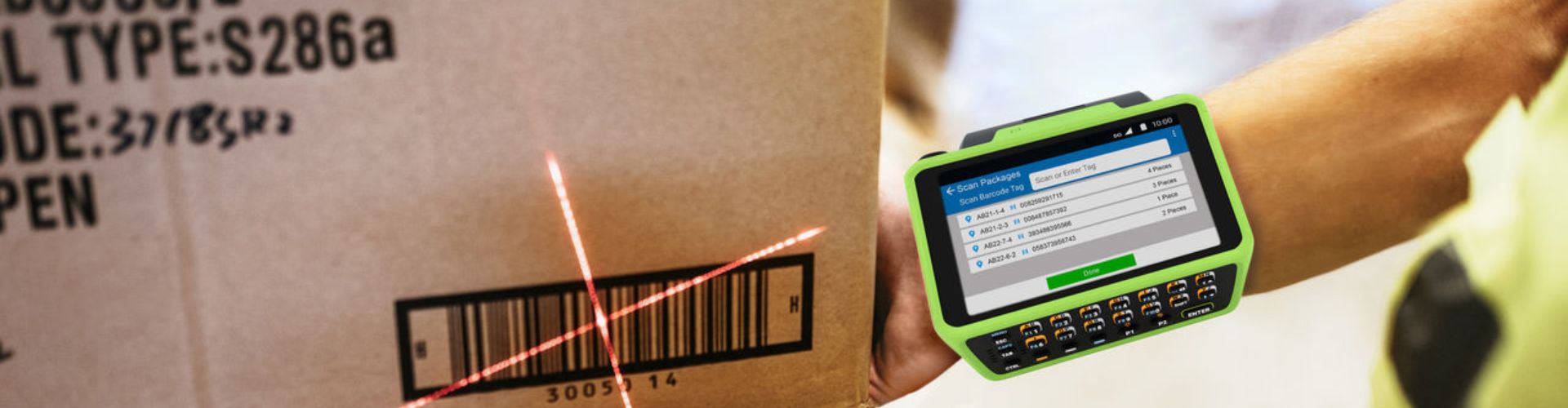
The real solution isn’t replacing everything. It’s about creating a smart layer that sits underneath your current tools. This layer grabs data from your mobile scanners, RFID tags, and stationary computers. It gathers all those tiny bits of info and puts them into one place. This backend system integration ensures your existing investments actually work harder for you.
How does this work in the real world?
Let’s look at a manufacturing floor. If a machine breaks down, the repair team needs to know immediately. With a unified backend, the machine “tells” the system it’s down. That info pops up on a manager’s tablet and updates the inventory for spare parts. No one had to run across the building or make a phone call.
In retail or healthcare, it’s the same story. A nurse shouldn’t have to check three screens to see if a medicine is in stock. A retail manager needs to see real-time shelf levels, not yesterday’s report. By using backend platforms enterprise database integration, we create a single dashboard that shows you exactly what is happening right now.
Bringing data to the point of activity
We see mobility as a major shift in how businesses work. We position mobility not as a disruption, but as the “5th wave” of IT evolution that makes previous investments (like ERPs) more powerful by bringing data to the “point of activity.” It’s about putting the right info in a worker’s hand exactly when they need it.
Why custom solutions beat “out of the box”
Every business has a unique rhythm. A bakery doesn’t track assets the same way an aviation company does. That’s why we don’t believe in “one size fits all” gadgets. We listen to your specific pains first. Then, we build a custom bridge that connects your hardware, like barcode systems, to your main software brain.
We focus on outcomes, not just selling you shiny new toys. You need reliability and precision. Our goal is to make sure your data flows like water through a pipe—no leaks, no blocks. When your systems are integrated, your team stops guessing and starts knowing. This shift changes your entire culture from reactive to proactive.
The power of a unified dashboard
Imagine waking up and looking at one screen. You see your inventory, your shipping status, and your team’s productivity across several locations. You don’t have to hunt for spreadsheets or wait for weekly meetings. This clarity is the ultimate goal of breaking down silos. It gives you the “bird’s eye view” needed for smart growth.
When we connect your backend, your data becomes an asset rather than a chore. You can spot trends before they become problems. You can save money by reducing downtime. Most importantly, you can trust your numbers. In the high-stakes world of supply chains and logistics, trust in your data is everything for long-term success.
Making the transition simple for your team
Change can feel scary for a workforce used to old ways. But when you explain that these tools make their lives easier, they get on board. Nobody likes doing double data entry. Nobody likes searching for “lost” assets. A connected system removes those daily headaches, making the workday smoother for everyone from the warehouse to the boardroom.
We take a relationship-driven approach to this transition. We don’t just drop off equipment and leave. We stay with you to ensure the system works in the heat of daily operations. Our 50+ years of combined experience means we’ve seen your challenges before. We know how to fix them with a calm, confident strategy that delivers real results.
The big picture for your enterprise
At the end of the day, breaking down silos is about people. It’s about giving your employees the power to do their best work without being blocked by bad tech. By focusing on smart integration and mobility, you turn your business into a fast-moving, precise machine. You’re not just keeping up; you’re leading the way.